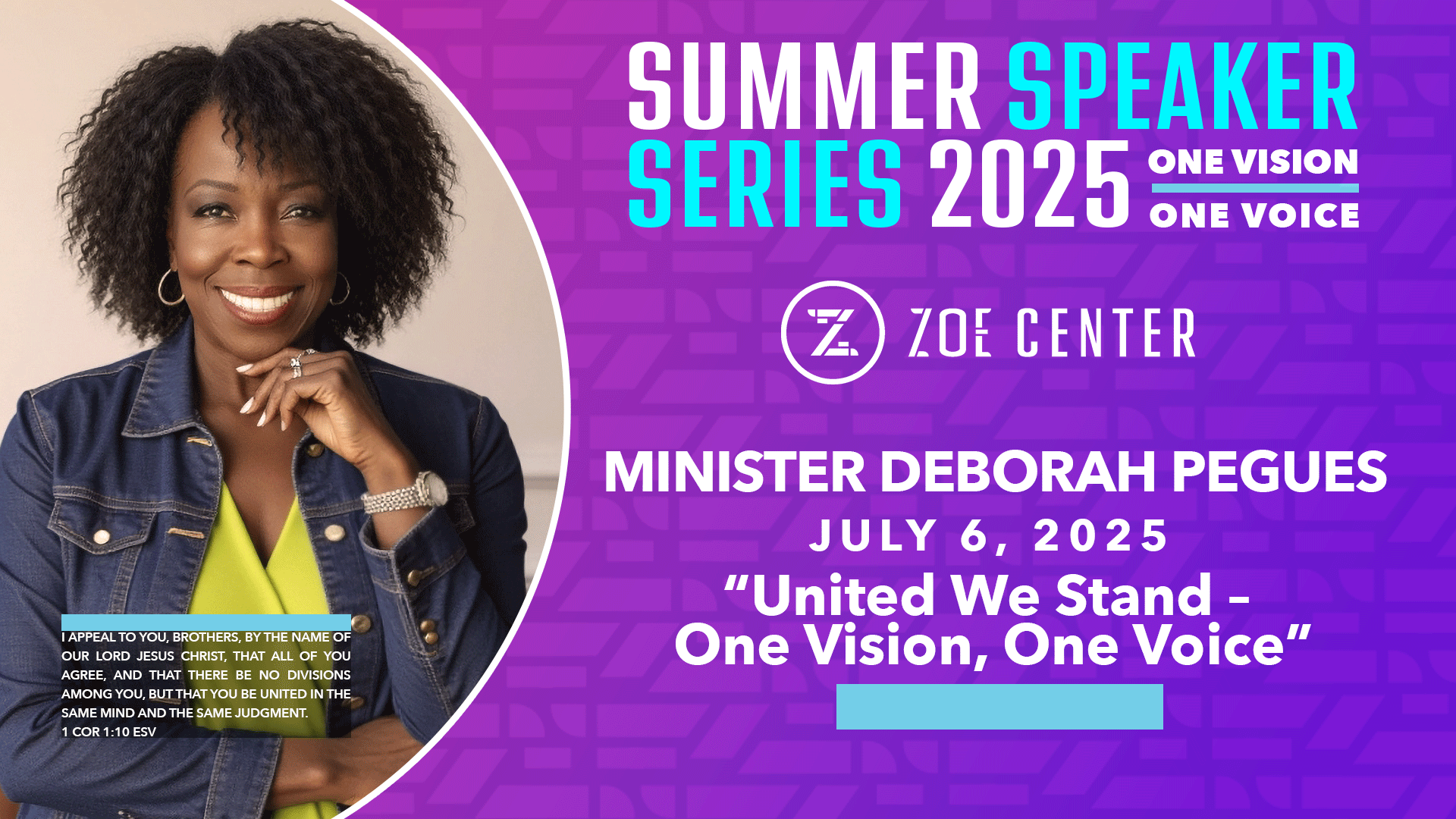
The message "United We Stand: One Vision, One Voice" by Deborah Smith Pegues emphasizes that Christian unity, grounded in the Gospel, is essential for success in all group settings—whether in church, family, work, or community. While conflict is natural due to our diverse backgrounds and perspectives, believers are called to rise above division and become ambassadors of unity. True unity requires commitment, humility, effective communication, and a willingness to forgive. It is emotionally fulfilling, spiritually powerful, and attracts God’s blessings. When we walk in unity, we align with God’s purpose and unlock the potential to accomplish great things together.
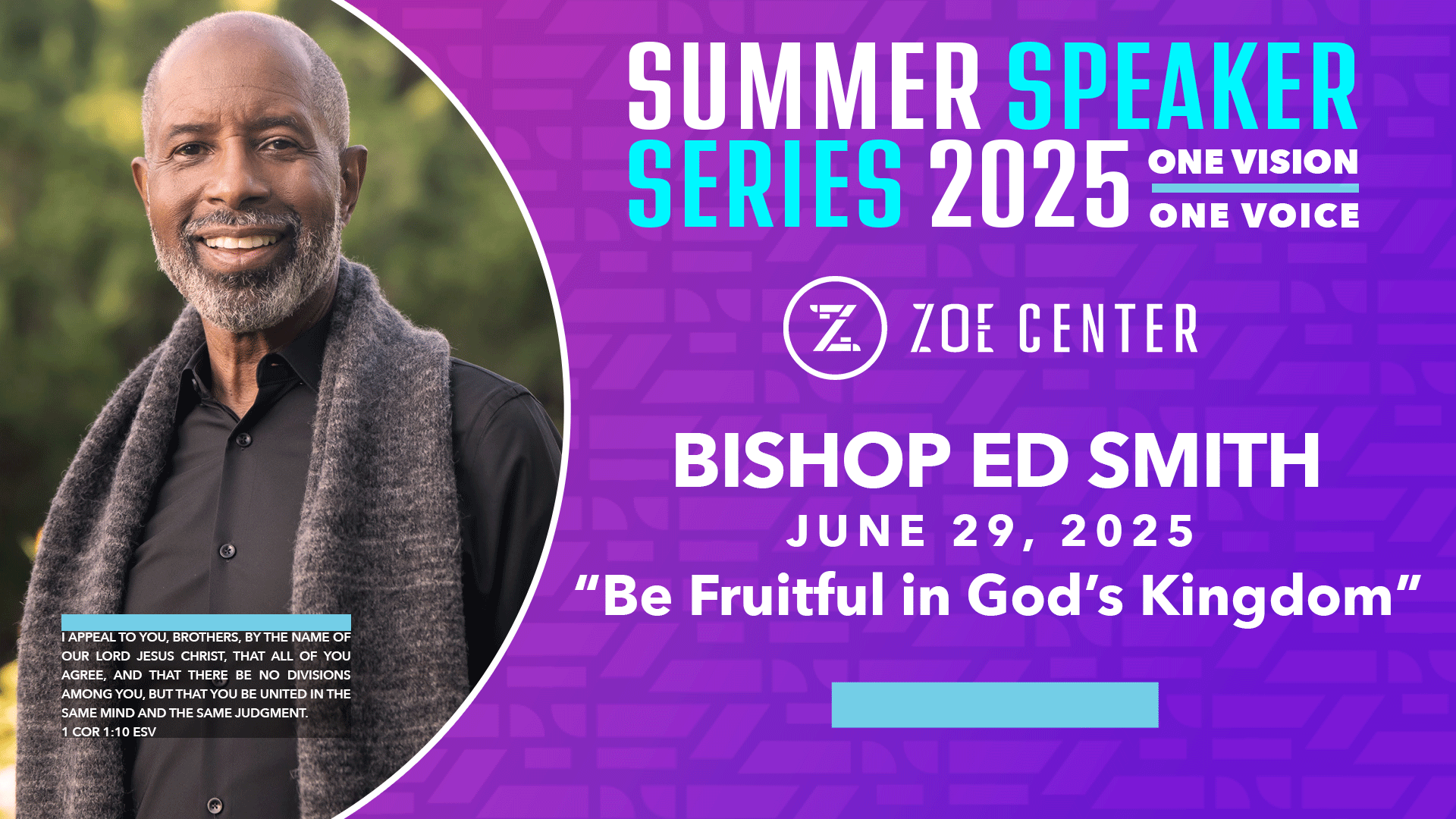
“God’s Legacy Matters” emphasizes the urgent need for believers to fulfill the Great Commission, as 8.2 billion lives are at risk of entering eternity without hope. Jesus commands us to go or send others to share the Gospel—doing nothing is not an option. Zoe Center’s value of “One Vision, One Voice” aligns with this mission, starting with reaching our families, friends, and communities. America itself is a vast mission field, and the marketplace—where people work, create, and interact—is the largest opportunity to share Christ. Bishop Ed Smith’s journey of ministry began in college through Bible studies and mentorship, shaping his boldness in faith. His life reflects the call to be fruitful and multiply God’s message wherever we are. His book, Fruitfulness: Seven Secrets to Getting More out of Life, encourages believers to embrace this calling. Being fruitful in God’s kingdom is a responsibility, not a choice.
This message centers on the biblical command to “Honor your father and mother,” highlighting its foundational role in shaping how we view and relate to God. Parents, especially fathers, are our first glimpse of divine authority and provision, teaching us dependence, gratitude, and reverence. Honoring them—even when they’re flawed—is not about their perfection but about our own spiritual growth, healing, and peace. The command remains valid regardless of a parent's behavior, offering a pathway to both earthly and spiritual blessing. Fatherhood, with all its mystery and imperfection, mirrors the Kingdom of God—often unseen and gradual in its impact. For those wounded by fatherhood, the journey toward healing involves reframing their father’s story, removing bitterness, and receiving God’s fathering with openness. The charge to men is to recognize life as a journey of masculine initiation, where God continually fathers us through challenges—not to punish, but to mature, heal, and strengthen us.
The “Benefactor” series concludes with Part 4 by emphasizing that every believer is a minister, called to serve others and meet needs—not by title, but through action. Ministry involves sacrifice, modeled by Jesus, who humbled Himself for others’ sake. Though the cost is high, the reward is greater: God exalts the humble, fills their joy, credits their account, and provides for their needs. Ministry can be tiring, but we’re encouraged to stay faithful and not give up, trusting that we’ll reap in due time. Still, ministers must guard against overextending themselves, remembering that ministry is shared between God, leaders, servants, and those who need to step up. True ministry requires both balance and mutual honor.
The “Benefactor” series teaches that every believer is a minister, called to bless others through various means, not just attend church. A benefactor is someone who uses their God-given gifts—time, talents, and resources—to do ministry and meet the needs of others. Scripture shows that serving others not only builds up the body of Christ but also enriches our own lives. Withholding good when prompted by God is a sin, often caused by ignorance or heart issues. True ministry goes beyond stage presence or titles; it requires humility, selflessness, and obedience, modeled after Jesus Himself. As we give of ourselves, God promises to exalt us, supply our needs, and fill us with lasting joy. A ministry mindset is one that reflects Christ’s attitude—valuing others above self and trusting His strength to serve faithfully.
A benefactor is someone who does good for others. As believers, we are blessed in Christ with every spiritual blessing (Ephesians 1:3) and called to use what we’ve received to bless others. God has lavished spiritual riches on us—mercy, grace, resurrection life, and heavenly authority—which impacts how we live and give on earth. Jesus reminds us not to store up earthly treasures but to focus on eternal ones (Matthew 6:19–20). We often excuse ourselves from generosity—whether in poverty or abundance—but Scripture shows that both the Macedonians in affliction (2 Corinthians 8) and the widow with her two coins (Luke 21) gave sacrificially. On the other side, the wealthy must remember that all they have is from God, and He gives wealth for His purposes, not just comfort (Deuteronomy 8, Esther 4). The secret to living blessed is found in contentment. Like Paul, we learn to thrive in every season by depending on Christ's strength (Philippians 4:11–13).
Dr. Joshua begins a new series, “The Benefactor” Part 1. This year’s theme, One Vision, One Voice, emphasizes unity in thought, purpose, and love, as taught in 1 Corinthians 1:10 and Philippians 2. Paul urges believers to adopt the spirit of a benefactor—one who humbly serves others and gives generously, reflecting the heart of Christ. True generosity flows not just from wealth but from a spirit of selflessness, producing unity, blessing, and gratitude to God. Generosity is not just financial—it’s a spirit and lifestyle rooted in unity, humility, and a heart to bless others.
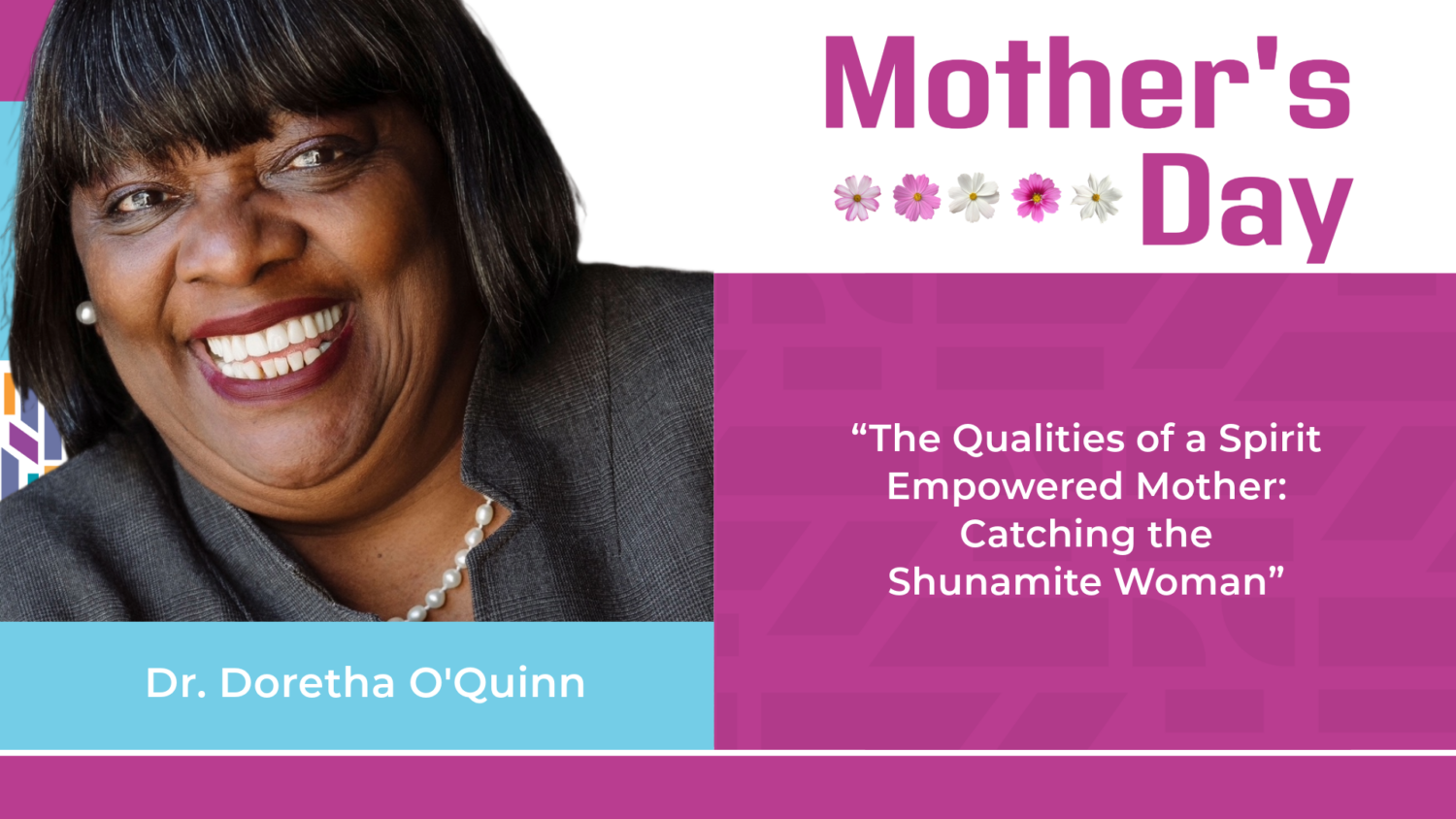
Guest speaker, Dr. Doretha O’Quinn, gives a wonderful message on Mother’s Day, "The Qualities of a Spirit Empowered Mother: Catching the Shunamite Woman". She provides us four incredible qualities of a mother to consider, referencing the Shunamite woman in 2 Kings. She encourages all the mothers to wait on God to transform any situation they face. Dr. Doretha also encourages us all to allow ourselves to be empowered by the Holy Spirit.
Following the play, "Connections", Dr. Joshua delivers a message about relationships and the way that our need for relational connections is ultimately fulfilled in having a relationship with Jesus.
Dr. Joshua delivers a powerful message on "Palm Sunday", reflecting on the plot to kill Lazarus and encouraging us to seek the support of others through prayer.